
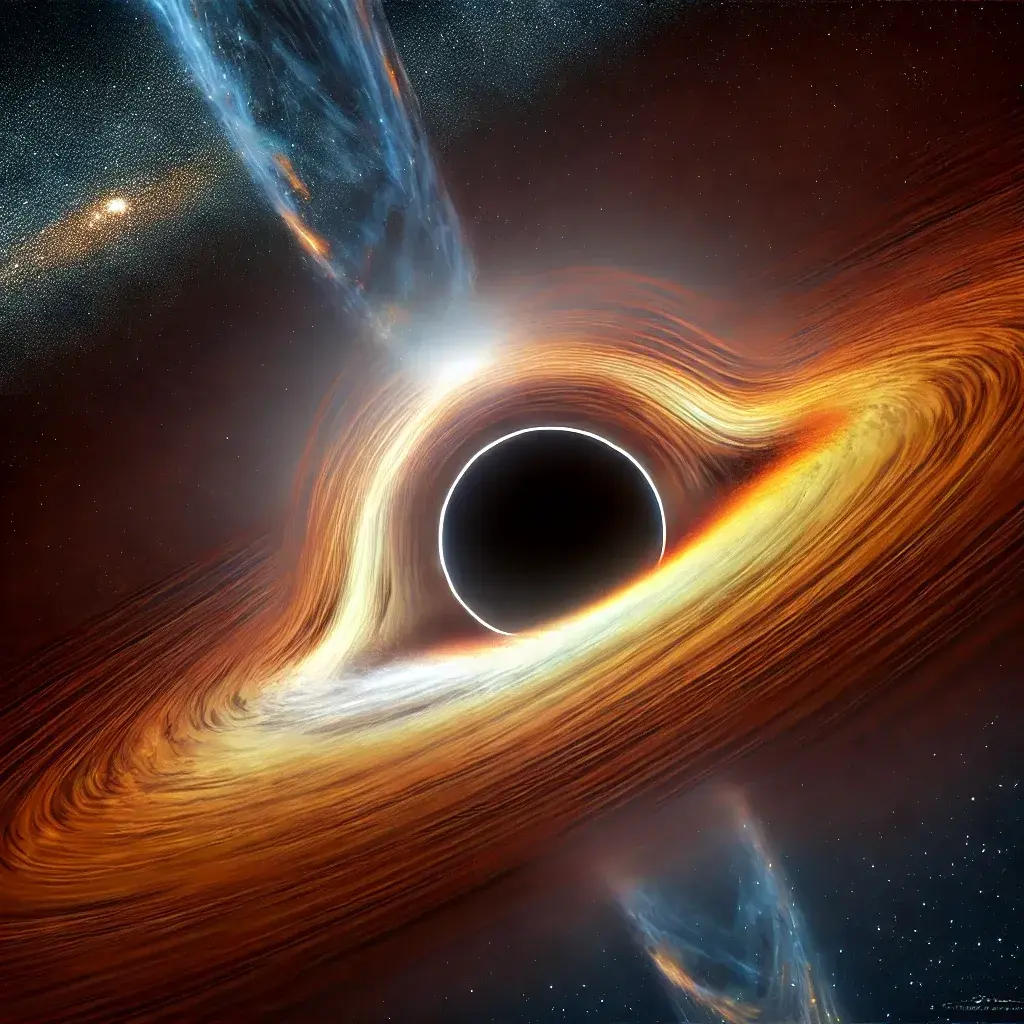
When I first watched Interstellar, I was captivated by its incredible story, breathtaking special effects, and deep emotional impact. It was a journey full of awe and admiration for Christopher Nolan’s vision. However, it wasn’t until I read Kip Thorne’s book The Science of Interstellar that I realized how much more lies beneath the surface of this story.
The Scientific Background of the Film
The book The Science of Interstellar provides fascinating insights into the physical theories that formed the foundation of the movie’s plot. Kip Thorne, a world-renowned theoretical physicist and Nobel Prize winner, was a scientific consultant for Interstellar and ensured that the concepts presented in the film were based on solid scientific principles.
Through this book, I gained a better understanding of:
-
Quantum foam – the fundamental structure of spacetime on the smallest scales,
-
Wormholes – although I had encountered the classic example of a folded piece of paper pierced with a pen many times before, it was only Thorne’s explanations that allowed me to fully grasp the concept,
-
Hyperspatial beings – while I first came across this notion in "Kwantechizm" by Andrzej Dragan, Thorne presented it in a much more accessible and comprehensible way.
His ability to explain complex topics is truly exceptional. Of course, fully understanding such intricate subjects is impossible, but Thorne makes it easier for readers to at least grasp the essence and beauty of the physics behind these concepts.
A New Perspective on the Film
One of the biggest discoveries that came with reading this book was rewatching Interstellar afterward. While my first viewing focused mainly on the plot and emotions, each subsequent viewing allowed me to appreciate the film even more—spotting subtle details, experiencing scenes more consciously, and understanding the creators’ intentions. One of the most satisfying moments was rewatching the scene with the tesseract and Cooper’s library. Initially, I perceived it as merely an artistic vision, but after reading Thorne’s explanations, I recognized it as a well-thought-out attempt to depict higher dimensions.
The Best Way to Experience This Story
This experience led me to conclude that the best way to fully immerse yourself in the world of Interstellar is through the following sequence:
-
Watch the movie first – allow yourself to emotionally experience the story,
-
Then read Kip Thorne’s book – to understand the scientific foundations and uncover new layers of the plot,
-
Finally, watch the movie again – this time with a fresh perspective and even greater admiration for its creators.
This method allows us to derive maximum enjoyment from both the cinematic masterpiece and the scientific knowledge behind it.
Satisfaction and Nostalgia
After truly exceptional books and films, I often feel a mix of satisfaction and sadness—sadness that such masterpieces are rare and that I can never experience them for the first time again. This is exactly how I felt about Interstellar. However, after reading Thorne’s book and rewatching the film, I felt as though I was rediscovering it. It was a rare and incredibly valuable experience.
If you are a fan of Interstellar and want to understand the science behind the film, I highly recommend reading The Science of Interstellar. It is a book that not only expands our knowledge but also allows us to enjoy one of the greatest science fiction films of recent years even more.